Answer: Bark ground cover is ideal for moisture retention, weed suppression, and decorative mulch in gardens, terrariums, or plant containers. The best options below are chosen for indoor-outdoor use, natural materials, and ease of installation. They suit homeowners seeking low-maintenance mulch, terrarium builders, orchid growers, and reptile keepers looking for a natural substrate or decorative cover. This guide highlights five products most relevant to bark ground cover, with why each is a good fit and any notable limitations.
| Product | Best For | Key Benefit |
|---|---|---|
| Rio Hamza Pine Bark Mulch Nuggets (8 Quarts) | Indoor/Outdoor containers | Natural drainage, decorative appearance |
| CJGQ 9 qt Organic Orchid Potting Bark | Orchid care & root protection | Air flow and drainage for orchid roots |
| Zilla Reptile Terrarium Bark Blend | Terrariums and reptile habitats | Heat/moisture transfer, pest elimination |
| Mosser Lee Brown Forest Bark Soil Cover | Orchids, terrariums, crafts | Versatile ground cover with natural look |
| NuPlay Rubber Mulch – Green | Long-lasting ground cover | Color stability and low maintenance |
Rio Hamza Pine Bark Mulch Nuggets

Brand: Rio Hamza Trading
Features: ALL-NATURAL INGREDIENTS, No added fertilizers or pesticides; USES include potted plant decor, landscaping, terrariums, or soil supplement; BENEFITS include drainage, improved appearance, water retention, and pest blocking.
Best for: Gardeners seeking a natural, chemical-free mulch for containers or small landscaping beds. It supports moisture control and a tidy look without synthetic additives.
Caution: Bulk quantities may settle; check for uniform nugget size to ensure even coverage in small containers.
9 Qt Organic Orchid Potting Bark

Brand: CJGQ
Features: 100% natural pine bark chips sized 1/2″ to 1″; provides aeration and drainage; supports orchid root development; organic material ideal for potting mixes.
Best for: Orchid growers and soil amendments where air flow and drainage are critical for sensitive roots.
Caution: Bark size may vary between batches; select consistently sized chips for uniform moisture management.
Zilla Reptile Terrarium Bark Blend

Brand: Zilla
Features: Promotes heat and moisture transfer; 100% organic fir bark; oven-dried to eliminate pests.
Best for: Creating a natural, functional habitat in tropical or forest-dwelling reptile terrariums where humidity and airflow matter.
Caution: Intended for terrarium use; may not be ideal for traditional garden mulch where aesthetics vary with wood type.
Mosser Lee Brown Forest Bark Soil Cover
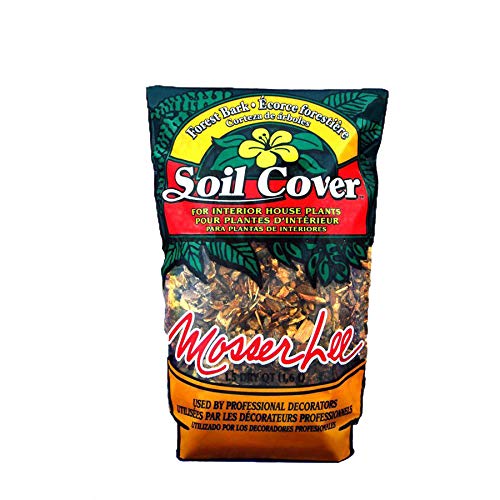
Brand: Mosser Lee
Features: Ideal for orchids, terrariums, and crafts; versatile ground cover with a natural brown appearance.
Best for: Hobbyists needing a versatile bark layer for decorative containers, terrariums, and small craft projects.
Caution: Availability may vary by season; color may differ slightly between batches.
NuPlay Rubber Mulch Ground Cover
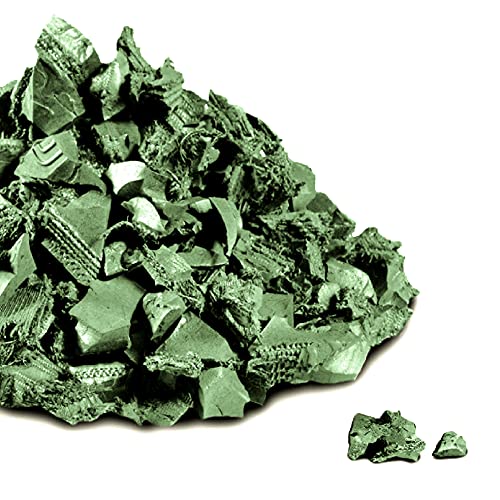
Brand: NuPlay Rubber Nugget
Features: 12-year color guarantee; 99.9% wire-free recycled rubber; resistant to color loss, weather, and wear; designed as nugget-shaped mulch.
Best for: Long-term ground cover in landscapes or playgrounds where reapplication is infrequent and color stability matters.
Caution: Rubber mulch is non-porous and may not enrich soil; consider balancing with organic mulch where soil health is a priority.
Buying Guide
What should you consider when choosing bark ground cover?
- Intended use: Indoor container, outdoor landscape, or terrarium?
- Organic vs synthetic: Natural bark vs rubber or decorative blends.
- Particle size: Smaller chips for pots; larger curls for landscape beds or reptile habitats.
- Drainage and aeration needs: Orchids and terrariums benefit from higher airflow.
- Maintenance and longevity: Rubber mulch lasts longer but doesn’t enrich soil; organic bark supports soil health but may decompose faster.
- Color and appearance: Choose a bark color that complements your plants and decor.
How to apply bark ground cover?
- Prepare the area by removing weeds and leveling the surface.
- Spread mulch evenly to a depth appropriate for the use (about 1–2 inches for containers, 2–4 inches for landscape beds).
- Keep mulch away from plant stems to prevent moisture-related issues.
- Replenish as needed to maintain consistent coverage and appearance.
FAQ
- What is bark mulch best used for indoors?
- Can bark mulch be used in reptile terrariums?
- Is rubber mulch safe for pets?
- How often should I replenish bark mulch?
- Will bark mulch attract pests?
- Which bark is best for orchids?
Best for decorative containers, moisture retention, and weed suppression without chemical additives when using natural bark products.
Yes, several bark blends are designed for terrariums and help with heat and moisture transfer when properly used.
Rubber mulch is durable, but it does not compost or enrich soil and may not be ideal for sensitive plantings or pets with allergies. Use where soil health is not a priority.
Organic bark may decompose and compact over time, requiring replenishment every 1–2 years depending on use. Rubber mulch lasts much longer.
Some bark types are treated to reduce pests; however, untreated natural bark may attract insects if piled deeply or kept damp.
Orchid-specific bark (fine to medium size) improves aeration and drainage around orchid roots, supporting healthy growth.