Biodegradable pots for plants are ideal for gardeners who want to minimize transplant shock and waste. This guide highlights five top options suited for beginners, home gardeners, and eco-conscious growers. Each pick can be planted directly into the soil, helping roots establish more quickly and reducing root disturbance. Read on to find the best fits for herbs, vegetables, flowers, and seedlings, plus a practical buying guide and common questions answered.
| Product | Best For | Why It Stands Out |
|---|---|---|
| CLEANGOR 70Pcs Biodegradable Seed Starter Pots | Kitchen herbs and small vegetable starts | Large 70-pot kit with labels; strong drainage and soil-friendly pulp material |
| JNYONG 120 Packs 4 Inch Peat Pots | Larger seedling setups | High quantity with 100 plant labels; 4-inch pots promote bigger transplants |
| JERIA 50-Pack 3.15 Inch Peat Pots | Compact herb and flower starts | Delivers essential pots with labels; good for small-space starts |
| ModaSin 131 Pcs Organic Peat Pots | Bulk germination trays | Large set with numerous labels; durable for big germination sessions |
| Dalzom 60Pcs 3.1” Peat Pots | Balanced starter kit | Compact size with sturdy biodegradable material and labels |
Buying for a specific purpose? The top picks here cover small-to-medium seedings, quick transplanting, and eco-friendly materials. Use the table above to compare how many pots you get, the diameter, and whether plant labels are included.
CLEANGOR 70Pcs Biodegradable Seed Starter Pots
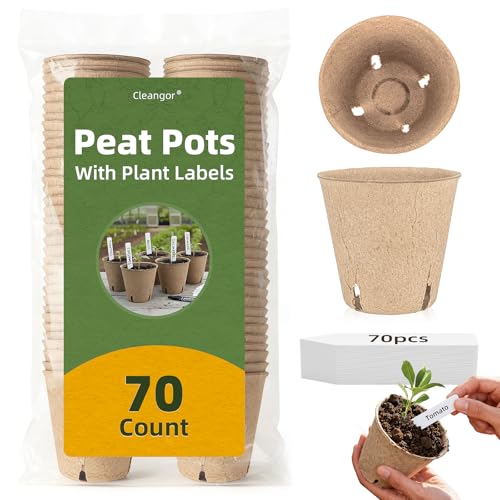
Best for: Home gardeners starting multiple herbs and vegetables. These peat pots are 100% recycled pulp, fully biodegradable, and designed for direct soil planting. The kit includes 70 pots plus 70 plant labels, helping organized starters and reducing transplant shock by keeping roots intact.
- Drainage holes and breathable walls support drainage and moisture retention, limiting root rot.
- Pros: Easy to transplant without root disturbance; composts naturally after planting.
- Cons: Some users may want larger pots as plants grow beyond seedling stage.
JNYONG 60 Packs 4 Inch Peat Pots
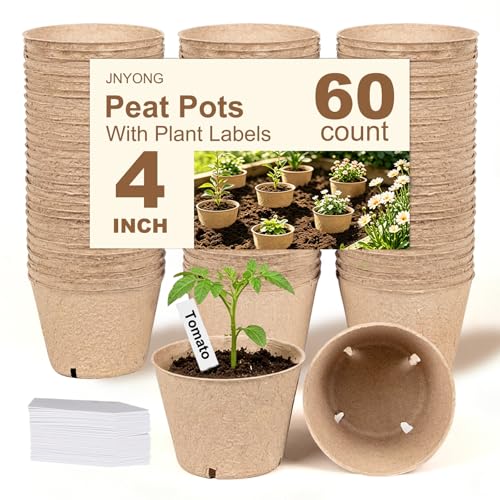
Best for: Medium-sized starters and hearty herbs. Each pot is 4 inches in diameter and includes plant labels. The 4 drain holes at the bottom promote drainage and air flow, supporting healthy root systems as seedlings mature.
- Biodegradable: Made from recycled pulp and plant fibers; designed to biodegrade in soil.
- Pros: Good air movement and drainage; useful with labeling for organized planting.
- Cons: Larger pots mean more soil use upfront; ensure you have ample growing space.
JERIA 50-Pack 3.15 Inch Peat Pots

Best for: Compact seedling projects and small-space gardeners. The 3.15-inch pots are ideal for starting flowers, herbs, and vegetables before transplanting. Included plant labels help differentiate varieties and monitor growth progress.
- Biodegradable and breathable, designed to reduce transplant shock.
- Pros: Lightweight and quick to decompose when planted; reduces root damage.
- Cons: Smaller size may require earlier transplanting for ambitious crops.
ModaSin 131 Pcs Organic Peat Pots

Best for: Bulk germination sessions and growers who need many labeled pots. The set includes 131 planting labels and a generous number of pots with drainage holes, which supports efficient planning and transplant planning.
- Disgrade material: Made from natural recycled pulp; breathable like clay for root health.
- Pros: Large quantity with labels; supports scalable seed starting.
- Cons: Heavier to store in large quantities; label durability may depend on write ink quality.
Dalzom 60Pcs 3.1” Peat Pots

Best for: Balanced starter sets for mixed herb-vegetable gardens. The 3.1-inch pots provide a compact yet sturdy option with 60 pots and labels. They are 100% biodegradable and designed for direct soil planting to minimize transplant shock.
- Drainage holes and sturdy construction for repeated use during germination cycles.
- Pros: Clear soil aeration and moisture control; convenient labeling included.
- Cons: Slightly smaller than 4-inch pots; may require earlier transplant for larger crops.
Buying Guide: Practical Considerations For Biodegradable Plant Pots
What size should you choose? For tiny herbs, 3.15-inch pots are usually sufficient; for bigger seedlings or early transplants, 4-inch pots offer more room for root development. Consider how many plants you plan to start and whether you need labels for variety tracking.
Material And Biodegradability
Most pots are molded from recycled pulp and plant fibers. They breathe and decompose in soil, reducing transplant shock and waste. Ensure the product claims 100% biodegradable if you want to plant directly into the garden.
Drainage And Airflow
Look for built-in drainage holes and breathable walls. Proper drainage prevents root rot and helps seedlings stay healthy during early growth stages. This is essential for tomatoes, herbs, and flowering plants.
Inclusion Of Plant Labels
Seed-starting kits with plant labels simplify organization and tracking. If you have many varieties, choose a kit that includes labeling cards or sticks to minimize mix-ups.
Size And Garden Space
Assess your available space. A bulk kit with 131 pots is ideal for large trays, while compact 60–70 pot sets suit windowsills, balconies, or small patios.
Durability And Handling
Check the material strength when pots are wet, especially in humid climates. Pulp-based pots should be sturdy enough for handling without cracking during initial watering or transplanting.
Transplant Readiness
Direct planting into soil is a key benefit. Ensure your soil and climate support immediate planting after germination, or consider a transition period if you must start indoors.
FAQ: Quick Answers For Biodegradable Pots
- Are biodegradable pots really plantable? Yes, most are designed to be planted directly into soil, reducing root disturbance and transplant shock.
- Do these pots decompose quickly? Decomposition varies by material and soil conditions, but many are formulated to break down over a growing season.
- What size should I buy for tomatoes? A 4-inch pot is a common choice for early tomato transplants before final planting in the ground.
- Do they include plant labels? Some bundles include plant labels; check product features to confirm before purchasing.
- Can I reuse these pots? These pots are typically single-use due to biodegradation, but you can reuse if they hold up during initial growth.
- Which kit is best for beginners? A mid-size kit with both pots and labels, such as 60–70 pots with labeling, offers a balanced entry point.