These compost bin picks are designed for kids and classrooms—safe, engaging, and easy to observe. They help young learners see decomposition in action and connect science concepts to everyday life. The top picks are best for different settings: home kitchens, small classrooms, and hands-on outdoor projects. Below is a quick buying guide table to compare the main options at a glance.
| Product | Best For | Key Benefit |
|---|---|---|
| Educational Insights See-Through Compost Container | Classrooms and homeschool | Clear compartments for observing decomposition |
| AVLA Kitchen Compost Bin 1 Gallon | Countertop use | Odor control with a charcoal filter |
| Worm Bucket Indoor Composting Starter Kit | Indoor projects and small spaces | All-in-one worm-based composting setup |
| TOP XIAN Inground Worm Composter (2-Pack) | Outdoor gardening and beginner vermicomposting | Space-saving, underground design |
| SPONDWILD Compost Bins Outdoor 32 Gallon Bag | Outdoor yard waste | High airflow for faster decomposition |
Educational Insights See-Through Compost Container

The Educational Insights See-Through Compost Container is designed for observation. It features three separate aerated compartments to monitor material changes and temperature shifts side by side. It’s ideal for classrooms or homeschool settings where students can compare how different materials decay in real time. This kit encourages early scientific curiosity about ecology and the life cycle of organic matter. Best for younger learners or groups who want direct visual feedback on composting processes.
Who it’s best for: teachers, homeschool families, and children ages 4+ who benefit from visible processes. Why selected: the see-through design supports measurable observation and easy discussion starters. Caution: small parts or delicate components may require supervision with younger children to prevent accidental tampering with the compartments.
SPONDWILD Compost Bins Outdoor 32 Gallon Bag

The SPONDWILD outdoor bag features dual-side ventilated mesh panels to boost airflow, promoting faster decomposition while helping deter small pests. It has a top opening for easy material placement and a bottom opening for convenient soil or finished compost removal. Its UV-resistant, tear-proof fabric supports long-term outdoor use and heavy yard waste. Best for: families with larger outdoor areas needing a reusable, breathable container. Caution: avoid direct contact of self-adhesive strips with soil during emptying to prevent messy residue.
Worm Bucket Indoor Composting Starter Kit

The Worm Bucket Starter Kit is a compact, all-in-one solution for indoor composting. It includes a 2.5-gallon bin, coco coir bedding, perlite drainage, and a spigot for worm tea. It comes with setup and feeding guides to help young learners understand how worms turn waste into nutrients. Best for: classrooms or families practicing vermicomposting in tight spaces. Caution: the setup requires adding live worms separately, which may be a separate procurement step for beginners.
AVLA Kitchen Compost Bin, 1 Gallon

The AVLA 1-gallon countertop bin is sized for indoor use and includes a charcoal filter lid to curb odors. Its metal construction offers durability, and the compact footprint makes it suitable for most kitchen counters. Best for: households looking for a discreet, odor-controlled compost option on the counter. Caution: the interior design is best suited for dry to moderately moist waste; very wet leftovers may require more frequent emptying.
TOP XIAN Inground Worm Composter (2-Pack)

This compact inground worm composter is designed for small outdoor spaces. Bury the unit in a garden bed to use earthworms for efficient vermicomposting. It’s a simple, beginner-friendly option for families starting vermicomposting outdoors. Best for: eco-conscious homes with modest outdoor space seeking a discrete worm-based system. Caution: requires digging and proper placement to avoid disruption by pets or heavy weather.
TOP XIAN 5-Layer Worm Compost Bin

The 85-liter five-layer worm bin provides larger capacity for ongoing vermicomposting and includes a faucet to drain liquid fertilizer. The stacked trays allow easy addition of waste and simple removal of finished compost. Best for: families expanding vermicomposting at home or in a small classroom setting. Caution: assembly and management are more involved than single-bin options for younger children.
Nazhura Compost Tumbler Bin Dual Chamber 43 Gallon
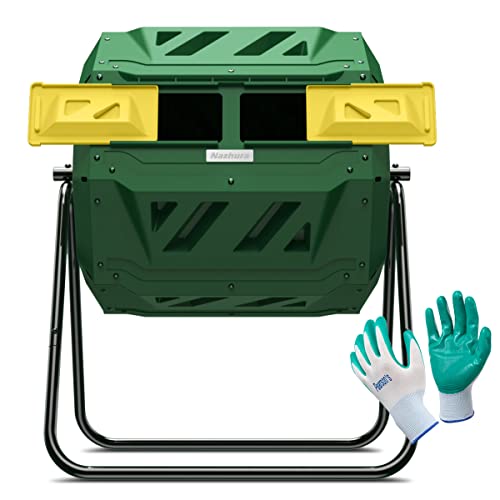
The dual-chamber tumbler speeds up composting by turning to introduce oxygen and evenly mix materials. It provides easy access to finished compost via a sliding door. Best for: settings where quick turnover and visually clear workflows matter, such as science clubs or busy households. Caution: tumblers can be heavier to rotate, especially when full, so child supervision is advised during use.
Buying Guide
What should I look for in a kid-friendly compost bin?
- Observation features: Clear compartments or see-through walls help kids visualize decomposition.
- Size and space: Choose based on available space—kitchen counter, classroom, or outdoor garden.
- Odor control: Lids, filters, or sealed designs reduce smells in indoor setups.
- Ease of use: Simple loading and access for kids; consider whether worms are involved.
- Durability and safety: Kid-friendly materials, stable bases, and non-toxic components.
What materials are best for teaching kids about composting?
- Kitchen scraps, paper, leaves, and small plant matter are common materials to start with.
- Worm-based setups (vermicomposting) provide a tangible, biological element to learning.
- Outdoor bags and tumblers can demonstrate airflow and turning for oxygenation.
How to use these bins effectively with kids?
- Set simple goals: observe changes, track temperatures, or record color and texture changes weekly.
- Assign roles: “collector,” “aerator,” “observer,” and “documenter” to involve multiple skills.
- Keep safety in mind: supervise any handling of soil, worms, or tools; teach proper hygiene after handling compostables.
FAQ
- Which compost bin is easiest for a classroom?
- Answer: Models with clear viewing compartments and simple maintenance are best for quick, guided lessons.
- Can these bins handle wet kitchen waste?
- Answer: Many are designed for typical kitchen scraps, but balance greens and browns to avoid soggy material.
- Answer: Some kits require separate worm purchases or come as a worm-friendly system; check product details.
- Are countertop bins suitable for kids?
- Answer: Yes, especially odor-controlled designs, but ensure proper lids and filters for indoor use.
- What’s better for beginners: worm bins or tumblers?
- Answer: Vermicomposting bins provide a more visible biology lesson, while tumblers offer quick results and easier maintenance.
- How long does it take to see results?
- Answer: It varies by system, but worm-based setups can show gradual composting in 2–3 months with proper care.