Zone 8 gardeners seek flowering trees that thrive in mild winters and hot summers with reliable blooms. This guide highlights five hardy picks well-suited to Zone 8, including vibrant crape myrtles, a fragrant gardenia tree, and a popular magnolia. Each selection targets common yard needs: compact size for small spaces, striking bloom color, easy care, and adaptable sun exposure. If you’re choosing for privacy, focal points, or scent, the options below clarify the best fit for your landscape and climate. A quick buyer’s table follows to compare key traits at a glance.
Overview table: The top five flowering trees for Zone 8 include Proven Winners Center Stage Pink Crape Myrtle (compact to mid-size with pink blooms), Natchez Crape Myrtle (white flowers and fast growth), Tonto Crape Myrtle (dark watermelon red blooms, compact dwarf), American Plant Exchange Gardenia Tree (fragrant white blooms, evergreen), and Jane Magnolia (classic magnolia blooms, adaptable to sunny spots). Use this as a quick reference to identify choices by bloom color, size, and sun needs.
2 Gallon Proven Winners Center Stage Pink Crape Myrtle

Best for: Small to mid-size landscapes needing a colorful summer focal point. This crape myrtle thrives in USDA zones 6-10, reaching a mature width of 96 inches and a height range of 72-144 inches with full sun to partial shade. Its pink flower clusters deliver long-lasting color through hot summers, making it a reliable choice for entryways, patios, or privacy screens.
Why selected: The Center Stage pink variety combines manageable size with vibrant summer bloom, and its sun tolerance suits Zone 8 gardens. It offers a strong bloom show without demanding extreme pruning.
Caution: In extremely cold snaps, growth may slow; provide mulch and winter protection if your microclimate dips near the lower end of Zone 6.
Natchez Crape Myrtle – Fast Growing White Flowering Tree

Best for: Gardeners who want rapid establishment with clean white blooms for a bright landscape accent. This crape myrtle ships as a live plant and grows well in zones 7 through 10 with full sun. It’s particularly suitable for sunny borders, patios, and street trees in Zone 8.
Why selected: Its fast growth and classic white flowering can brighten mixed borders and pair well with darker foliage plants. The plant arrives ready to plant, which reduces initial setup effort.
Caution: Deciduous nature means no leaves in winter; plan for seasonal interest with evergreen companions or structural elements.
Tonto Crape Myrtle: Dark Watermelon Red Blooms

Best for: Small gardens needing a fast-growing, compact tree with a dramatic bloom color. The Tonto crape myrtle matures at 8-10 feet tall and wide, with a dense, bushy habit suitable for privacy hedges or focal spots in Zone 8 landscapes.
Why selected: The dark watermelon red blooms offer a striking color contrast against green foliage, providing extended bloom from summer into fall. It grows quickly, adding screening and interest sooner than many other varieties.
Caution: As a compact cultivar, it may require occasional pruning to maintain the desired shape and prevent overcrowding in very small spaces.
Electric Pink Passion Crape Myrtle

Best for: Hedges or feature trees in sunny spots where a bold pink display is desired. This dwarf variety grows to 6-8 feet tall and wide, making it suitable for compact yards, small lots, or container plantings in Zone 8.
Why selected: Its hot pink, dense clusters create a striking show, with new foliage emerging red and maturing to dark green, complementing the flower display. The compact size makes it versatile for layered planting schemes.
Caution: Slightly smaller root systems mean you should ensure stable irrigation during heat waves and avoid crowding with larger plants.
American Plant Exchange Gardenia Tree

Best for: Fragrance lovers seeking an evergreen flowering tree to place near doors, patios, or entryways. The gardenia tree offers fragrant white blooms and glossy foliage, thriving in sunny to partially shaded outdoor spots in Zone 8.
Why selected: Gardenias bring year-round texture with evergreen structure and a strong-scented bloom that elevates outdoor living areas. It’s a reliable choice for warm, bright locations on patios or near entryways.
Caution: Gardenia trees require well-draining, acidic soil and regular watering; avoid overwatering and ensure adequate drainage to prevent root issues in hotter months.
Perfect Plants Jane Magnolia
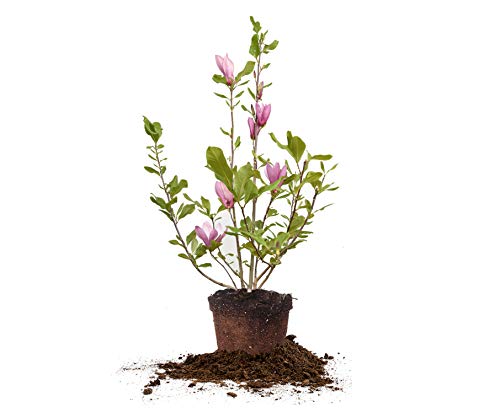
Best for: Classic landscape focal point with large, showy blossoms and a stately habit. The Jane Magnolia thrives in sunny locations, ideal for Zone 8 gardens seeking a traditional flowering tree with bold spring blooms.
Why selected: Magnolias are iconic trees for bright spring color and elegant branching. The Jane Magnolia’s bright blooms and fragrant presence make it a standout specimen tree for lawns, foundations, or courtyard gardens.
Caution: Magnolias may require more space due to their wider canopy as they mature; ensure sufficient room for fullest bloom and growth.
Buying Guide
- Consider your space: If you have a narrow yard, choose dwarf crape myrtles like Electric Pink Passion or Tonto for easier placement; for larger spaces, Natchez or Center Stage Pink can command more presence.
- Sun and soil requirements: Most crape myrtles prefer full sun and well-drained soil. Gardenias and magnolias prefer bright light; gardenias need acidic soil for best blooms.
- Bloom color and season: White blooms (Natchez, Gardenia Tree) provide a lighter palette; dark red or pink crape myrtles (Tonto, Center Stage Pink, Electric Pink Passion) offer strong color during summer heat.
- Maintenance and growth rate: Fast-growing varieties accelerate landscape development but may require pruning to maintain shape. Dwarf cultivars reduce pruning needs but still provide seasonal interest.
- Seasonal interest beyond bloom: Magnolia and gardenia offer evergreen or semi-evergreen structure for year-round appeal; crape myrtles provide dramatic summer color with attractive bark and foliage.
- Water and soil care: Ensure consistent moisture for newly planted trees; once established, most Zone 8 ornamentals tolerate typical regional rainfall but benefit from mulching and soil amendments where needed.
Frequently Asked Questions
- Which flowering tree is best for Zone 8 shade? Magnolia and gardenia varieties tolerate partial shade, but full sun enhances bloom for most crape myrtles and magnolias.
- Do crape myrtles require pruning? Pruning helps maintain shape and size, especially for dwarf cultivars; avoid heavy cutting that reduces bloom.
- Can I plant these trees in containers? Dwarf crape myrtles and some magnolia cultivars adapt to containers with careful watering and drainage.
- Which blooms last longest in Zone 8 summers? Crape myrtles typically provide extended bloom through midsummer into early fall, depending on variety and climate.
- Are gardenias suitable for hedges? Gardenia trees can function as focal points or hedges, but ensure space and consistent soil moisture for dense growth.
- What soil helps Magnolia trees bloom better? Slightly acidic, well-drained soil with consistent moisture supports healthier blooms and foliage in magnolias.