If erosion control is a priority, choose geotextiles that stabilize soil, trap sediment, and support plant establishment. This guide highlights five practical options suited for homeowners, landscapers, and small contractors. Each product targets common erosion scenarios—from slopes and embankments to driveways and garden beds—while clarifying who benefits most and when to choose one over another.
| Product | Best For | Key Benefit |
|---|---|---|
| Jute Erosion Control, Soil Saver Mesh Blanket | Natural slope stabilization and eco-friendly projects | Biodegradable, broad coverage, soil protection |
| Super Geotextile Woven Geotextile Fabric (4 oz) | Heavy-duty driveways and road underlayment | High strength, durable under heavy load |
| Pterying 6.5ftx300ft Weed Barrier Landscape Fabric | Garden beds and large landscape areas | Long roll with high permeability and weed control |
| Fiwochic 6oz Non Woven Geotextile Fabric | French drains, drainage beds, erosion control | Sturdy, breathable, good water passage |
| Farm Plastic Supply QuickGrass Pro | Biodegradable erosion blanket for seed establishment | Topsoil protection and natural growth environment |
Jute Erosion Control, Soil Saver Mesh Blanket
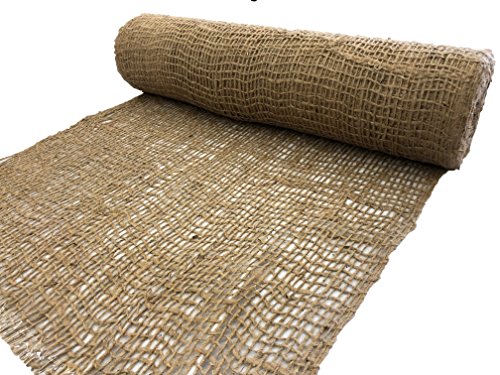
Best for: projects seeking a natural, biodegradable option that blends with soil while providing erosion protection. This 48-inch wide, 20-yard roll covers about 240 square feet, offering immediate soil stabilization for slopes, garden beds, and newly seeded areas. It biodegrades over time, making it ideal for eco-conscious landscapes where permanent synthetic cover isn’t required. The material supports seed germination by shielding soil from wind and water while enriching soil quality as it decomposes. A caution: jute can degrade more quickly in consistently wet climates, potentially shortening coverage duration compared with synthetic fabrics.
Super Geotextile Woven Geotextile Fabric (4 oz)

Best for: heavy-duty stabilization under driveways, roads, and underlayment projects where long-term strength is essential. This 4 oz woven polypropylene fabric emphasizes durability and dimension stability, designed to resist high loads and environmental stress. It’s suitable for long-term erosion control, with the potential to last many years if buried properly. A caution: installation accuracy matters—misalignment or excessive cutting can create weak points, so plan pieces to minimize seams.
Pterying 6.5ftx300ft Weed Barrier Landscape Fabric
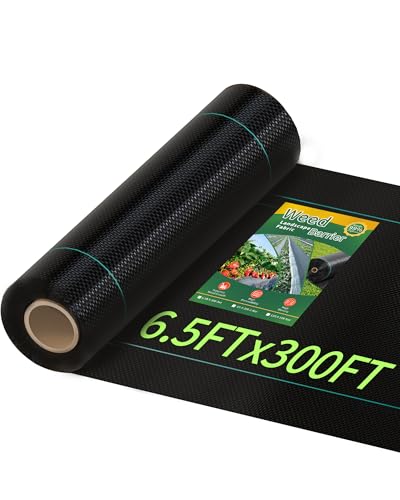
Best for: large-scale landscape projects where weed suppression and soil moisture balance are priorities. This heavy-duty landscape fabric uses green alignment stripes for easy installation and cutting, enabling you to cover extended areas with fewer joints. Its high permeability maintains moisture and air exchange, supporting plant roots and reducing erosion from rainfall runoff. A limitation: even sturdy fabrics can clog if soil becomes compacted or if too many large seams are used, so avoid over-seaming in exposed zones.
Fiwochic 6oz Non Woven Geotextile Fabric

Best for: drainage-focused erosion control, French drains, and underlayment applications where filtration and separation are needed. The 6-ounce non-woven fabric balances strength with permeability, allowing water to pass while keeping soil and sediment from clogging subdrains. It’s a practical choice for projects requiring reliable filtration and root-friendly environments. A caution: ensure adequate trench depth and overlap to maintain filtration performance over time.
Farm Plastic Supply QuickGrass Pro
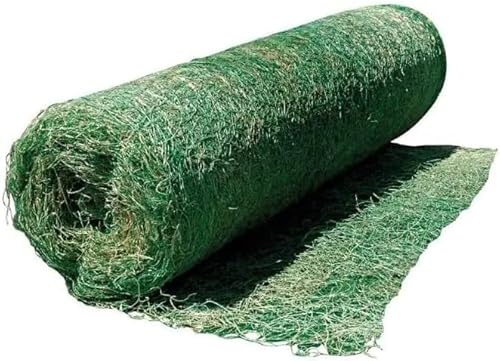
Best for: rapid erosion blanket deployment on slopes and bare soil where seed establishment is planned. QuickGrass Pro features a biodegradable netting over a natural excelsior-based blanket, safeguarding topsoil while promoting grass seed germination. It provides a robust matrix that reduces erosion from wind and water and supports a favorable growing environment. A caution: the top netting can degrade with heavy weather exposure, so use as part of a broader soil stabilization plan where prolonged cover isn’t required.
Buying Guide
What should I consider when choosing geotextiles for erosion control?
- Project type: slopes, driveways, beds, or underlayment? Different fabrics optimize different functions like stabilization, filtration, or weed suppression.
- Material and biodegradability: natural fibers (jute, coconut coir) are eco-friendly but may degrade faster; synthetic fabrics offer longer-lasting performance in harsh conditions.
- Permeability and soil moisture: high-permeability fabrics allow water and air movement, promoting root growth and reducing pooling, while low-permeability options stabilize soils more aggressively.
- UV resistance and climate considerations: sun exposure and regional weather influence durability. Some fabrics resist UV degradation better than others.
- Installation practicality: consider roll width, length, and ease of cutting to minimize joints and waste. Striped or marked fabrics can aid alignment.
- Expected lifespan: determine whether short-term stabilization (seasonal) or long-term protection is needed, then match fabric weight and construction accordingly.
FAQs
- What is geotextile fabric, in brief?
Geotextile fabric is a permeable material used to separate, filter, reinforce, protect, or drain soil in civil and landscape projects.
- Which fabric lasts the longest for erosion control?
Woven polypropylene and heavier non-woven geotextiles generally offer longer-term performance, especially when buried or protected from excessive UV exposure.
- Are natural fibers suitable for large erosion projects?
Natural fibers like jute or coconut coir are eco-friendly but may require replacement more quickly in wetter climates or high-flow areas.
- Can I use one product for both weed suppression and erosion control?
Yes, many landscape fabrics provide weed suppression while helping reduce erosion, but consider permeability and strength to ensure it meets project needs.
- How do I decide between a blanket and a sheet fabric?
Blanke-like erosion blankets are ideal for immediate soil protection and seed establishment, while woven sheets suit underlayment and long-term stabilization with higher load tolerance.
- Do I need professional installation for erosion control fabrics?
Simple residential applications can be DIY, but ensure proper trenching, overlap, and securing to avoid movement and gaps under wind and water.