If you’re looking to grow vegetables in a compact, easy-to-manage space, a raised grow box is a smart choice. These options improve drainage, reduce soil compaction, and make gardening accessible on patios, balconies, or backyards. The following selections are especially suitable for urban gardeners, beginners, and those wanting elevated beds for easier access. Each product below is evaluated for material durability, ease of assembly, and suitability for vegetable crops.
| Product | Best For | Key Benefit |
|---|---|---|
| Best Choice Products Raised Garden Bed | Backyard, Patio, Balcony | Large planting space with good drainage |
| Land Guard Galvanized Raised Bed Kit | Long-term outdoor use | Durable galvanized metal with quick assembly |
| Homyhoo Potato Grow Bags | Potato and root vegetables | Breathable fabric for easy harvest |
| Jorvila Nonwoven Grow Bags | Space-saving vertical or multi-crop setups | Excellent root aeration and drainage |
| POILKMNI Oval Fabric Raised Bed | Flexible, movable gardening | Six compartments for plant separation |
Best Choice Raised Garden Bed With Bed Liner
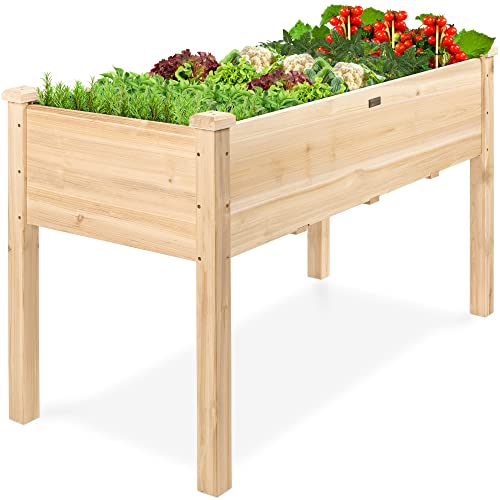
Best Choice Products offers a long, elevated garden bed designed to maximize soil depth (approximately 5 cubic feet) while keeping soil well-drained. The all-wood construction uses Chinese fir wood for weather resistance, and the bed includes a liner to protect the wood and improve soil containment. This option is best for gardeners who want a sturdy, traditional wooden bed at a comfortable height for planting and tending vegetables like lettuce, peppers, tomatoes, and herbs. A practical caveat is that wood maintenance may be needed over years to preserve finish and prevent wear from moisture.
Land Guard Galvanized Raised Bed Kit
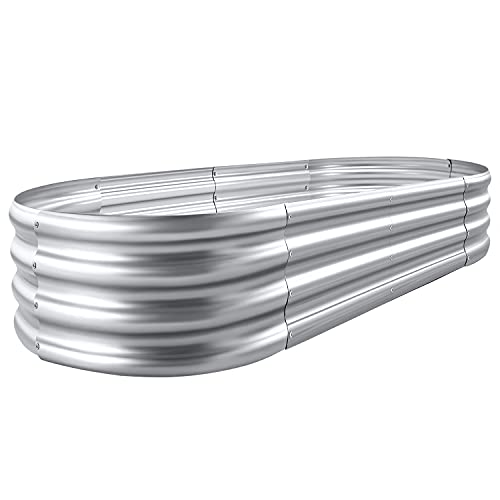
This oval galvanized metal bed is designed for durability and a modern look. The raised bed uses Q195 galvanized steel with double-layer anti-corrosion coating, and its oval shape adds aesthetic appeal while withstanding outdoor conditions. It’s quick to assemble and suitable for a wide range of vegetables. Best for gardeners who want low-maintenance, sturdy metal containers and a compact footprint. Potential limitation: metal may heat up quickly in hot sun, potentially affecting root zone temperature for some crops.
Homyhoo Potato Grow Bags With Flap
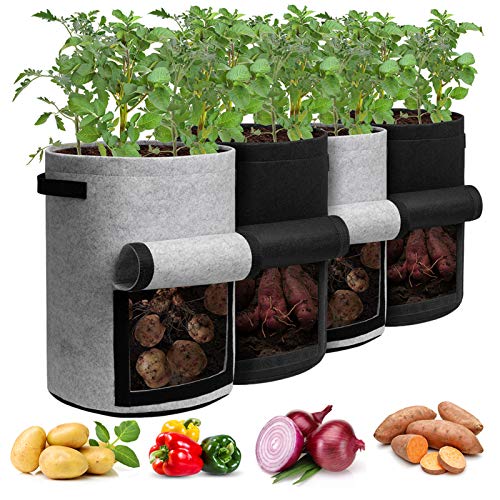
A 4-pack of 10-gallon grow bags, made from breathable double-layer non-woven fabric. These bags promote good ventilation and prevent waterlogging, making them suitable for potatoes, tomatoes, and other vegetables. They include a large harvest window for easy monitoring and harvesting. Choose this if you value portability, soil aeration, and the ability to move containers to optimize sun exposure. Caution: fabric bags can dry out between waterings in hot climates, so monitor moisture closely.
Jorvila 5 Pack 5 Gallon Grow Bags

These 5-gallon grow bags are made from thickened nonwoven fabric (300G) for durability and reusability. They promote healthy root development through self-air pruning and provide excellent drainage to help prevent overwatering. Best for space-conscious gardeners who want reusable containers and good aeration. Limitation: smaller volume than larger bags, so choose for crops with modest root depth or when multiple bags are used in a compact setup.
POILKMNI Oval Fabric Raised Garden Bed

This oval fabric bed features a six-compartment design, providing separate planting zones within one bed. The fabric is breathable, supports root health, and facilitates drainage through an easy-fill, no-assembly setup. It’s ideal for delivering a flexible, movable gardening option on decks, balconies, or limited-space yards. Caution: fabric beds can shift or sag if overfilled; ensure even soil distribution for stability.
Buying Guide: Key Factors For Choosing Grow Boxes For Vegetables
- Material durability: Wood, galvanized metal, and nonwoven fabric each offer distinct advantages. Wood is traditional and aesthetic but may require maintenance. Metal is durable and low-maintenance but can heat up. Fabric bags are lightweight and portable, with excellent aeration but require regular moisture checks.
- Planting depth and volume: Ensure the bed or bag provides enough root space for the vegetables you plan to grow. Taller plants like tomatoes benefit from elevated beds, while root crops may require deeper soil access.
- Drainage and moisture control: Proper drainage prevents waterlogging and mineral buildup. Self-watering features help maintain consistent moisture for crops prone to drought stress.
- Assembly and mobility: Consider whether you need a permanent garden bed or a portable option that you can move with the season or sun exposure.
- Maintenance: Wood beds may need sealing or staining over time. Metal beds may require rust prevention and occasional cleaning. Fabric beds typically require cleaning and storage when not in use.
- Space constraints: For small patios or balconies, vertical or multi-compartment designs can maximize your growing area without increasing footprint.
Frequently Asked Questions
- What is the best material for vegetable grow boxes? – It depends on climate and maintenance: wood offers a traditional look with good insulation, metal is durable and low-maintenance, while fabric bags provide excellent aeration and flexibility.
- How deep should a raised bed be for vegetables? – Most vegetables thrive with at least 6–12 inches of soil depth; deeper beds support root crops and larger plants.
- Do raised beds require soil mixes? – Yes. Use a high-quality, well-draining soil blend designed for vegetables, often with compost and organic matter to improve fertility.
- Are fabric grow bags reusable? – Many fabric bags are designed for repeated use, but check manufacturer recommendations on cleaning and storage.
- Can raised beds be used indoors? – Some compact or vertical options are suitable for indoor patios or sunrooms, provided there is adequate light and ventilation.
- How do I prevent pests in raised beds? – Use healthy topsoil, monitor for pests, and consider physical barriers or companion planting to minimize infestations.