When choosing landscape netting for slopes, prioritize products that control erosion, allow airflow and moisture, and blend naturally with the soil. The five options below are selected for slope stabilization, soil protection, and vegetation support on hillsides, embankments, and garden banks. They’re best suited for homeowners and small-scale landscapers seeking affordable, biodegradable or durable options. The table below summarizes key traits to help compare quickly.
| Product | Best For | Material | Typical Coverage |
|---|---|---|---|
| Jute Erosion Control, Soil Saver Mesh Blanket – 48″ x 20 Yards | Soil protection on slopes and hills | Jute | ~240 sq ft |
| Jutemill, Jute Burlap Netting Mesh – 48″ x 15′ | Light slope stabilization and seed retention | Jute-Burlap | ~60 sq ft |
| Tranqun Jute Erosion Control W Soil Saver Mesh Blanket | Temporary bedding for hillside stabilization | Jute | 60 ft L x 4 ft |
| Farm Plastic Supply Erosion Control Blanket – 2′ x 112.5′ | Broad slope protection and seed establishment | Straw-based blanket | ~252 sq ft |
| Riakrum 3 Pcs 48″ x 30′ Burlap Netting | Versatile bulk erosion control for larger slopes | Burlap/Jute-blend) | 3 rolls 48″ x 30′ |
Jute Erosion Control Blanket By AK TRADING CO.
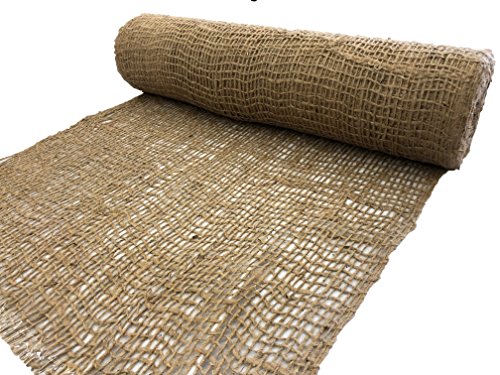
Best for: Eco-conscious landscapers who want a natural, biodegradable erosion barrier. The AK TRADING CO. Soil Saver Fabric uses premium jute to stabilize soil on slopes while blending with the landscape. Its broad 48″ width and 20-yard length offer substantial coverage for mid-sized slope sections. The natural material helps enrich soil as it weathers and decomposes, reducing long-term residue concerns. It is especially suited for garden banks and unpaved hillside beds where appearance and soil health matter.
Why selected: Its natural composition and generous coverage make it a straightforward, eco-friendly slope protection choice. The fabric acts as a shield against wind and water runoff while promoting seedling establishment. The material’s biodegradability is a good fit for temporary stabilization projects.
Caution: Jute can degrade faster in very wet or protracted exposure; plan for replacement or supplement with longer-lasting support if your slope experiences heavy rainfall year-round.
Jutemill Jute Burlap Netting Mesh
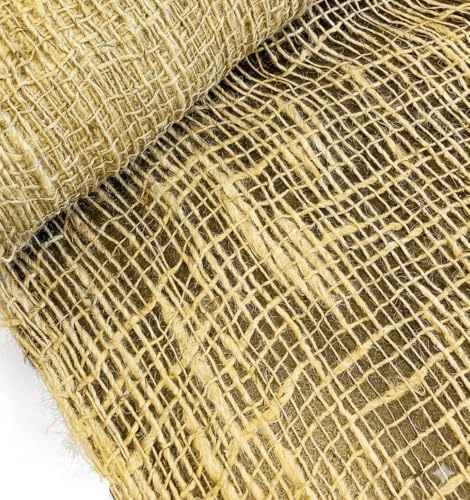
Best for: Budget-conscious projects needing a simple, loose-weave net for slope lining and seed containment. The Jutemill netting features a 48″ width and 15 ft length, providing around 60 square feet of coverage per roll. Its plain weave and large gaps are suitable for erosion control where rapid plant cover is anticipated but not heavy traffic.
Why selected: The large weave and natural fiber construction allow wind and moisture to reach the soil, aiding germination while reducing erosion risk. This option is a cost-effective choice for small beds or decorative slopes where quick stabilization is desired.
Caution: The wide gaps may not restrain fine sediments as effectively as denser nets; it is best paired with seed blankets or mulch for best results on steeper or highly erodible slopes.
Tranqun Jute Erosion Control W Soil Saver Mesh Blanket

Best for: Hill slope stabilization where durable, handwoven jute netting provides reliable erosion protection. The Tranqun kit includes 60 ft by 4 ft of jute netting and galvanized ground nails to secure the mat, making it a practical all-in-one solution for landscapes that require immediate anchoring on uneven terrain.
Why selected: The combination of jute netting with galvanized nails gives a sturdy, ready-to-install option for slope control. It’s well-suited for roadside embankments, riverbanks, and coastal slopes where soil is prone to washouts during heavy rain or tidal runoff.
Caution: Ensure the nails are driven at appropriate depths and spaced according to slope severity to maximize hold; improper installation can reduce effectiveness on very loose soils.
Farm Plastic Supply Erosion Control Blanket (Straw)

Best for: Slopes requiring broad soil protection and moisture retention to foster seed germination. The straw-based erosion control blanket is designed to shield the soil surface from impact and runoff while maintaining moisture for plant establishment.
Why selected: This blanket is a simple, low-maintenance solution for large slope areas where consistent moisture retention is beneficial. It helps seedling success by reducing evaporation and protecting delicate root systems during early growth phases.
Caution: Straw blankets may decompose faster in warm, wet conditions; plan for replacement in subsequent seasons or pair with additional mulch to extend effectiveness on longer slopes.
Riakrum 3 Pcs Burlap Netting Mesh

Best for: Versatile slope areas that require multiple rolls to cover extended banks or riverfront margins. The Riakrum set includes three 48″ wide x 30′ long rolls, making it suitable for larger property projects or longer hillside segments.
Why selected: The three-roll bundle provides a budget-friendly option for large-scale stabilization, with a natural fiber that supports seed retention and soil stabilization. It is easy to roll, lay, and store, offering practical coverage for extended slopes.
Caution: Burlap nets have variable weather resilience depending on exposure; ensure year-round protection by adding mulch or supplemental planting to reduce erosion during extreme weather events.
Buying Guide: Key Considerations For Landscape Slopes
- Slope severity and soil type: Steeper slopes or loose soils benefit from denser mesh and longer-lasting materials. For fragile soils, combine netting with mulch or blankets to maximize erosion control.
- Material lifecycle: Natural fibers like jute and burlap are biodegradable and eco-friendly but may require replacement sooner in wet climates. Synthetic nets offer longer-term stability but sit lower on the eco spectrum.
- Mesh size and permeability: Finer meshes protect seedling roots and reduce sediment loss but may impede airflow and water penetration. Balance protection with soil respiration and moisture transfer.
- Installation method: Look for products that include stakes or nails for easier anchoring on uneven terrain. Proper installation significantly improves performance on slopes and riverbanks.
- Plant establishment integration: For best results, match netting with seed mixes, ground cover plants, or grasses that will quickly establish on slopes and work with the net to stabilize soil.
- Environmental and aesthetic impact: Eco-friendly materials blend with the landscape while protecting soil health. Consider the slope’s visibility and how the netting will age as vegetation grows.
Frequently Asked Questions
- What is the primary benefit of erosion control netting on slopes? It reduces soil loss due to wind and water, helps seeds stay in place, and stabilizes the soil as vegetation establishes.
- Can jute netting be used on all slopes? It works well for moderate slopes and temporary stabilization; heavy rainfall or extended exposure may require supplemental materials or replacement.
- Is biodegradable netting better for the environment? Biodegradable options are more environmentally friendly and blend with the soil, but they may need replacement more often in harsh conditions.
- How do I install slope netting effectively? Secure netting with stakes or nails at regular intervals, cover with mulch or seed blankets as needed, and ensure tight, even placement to minimize movement.
- Which product should I choose for a large hillside? A multi-roll burlap or jute netting bundle (like Riakrum) provides scalable coverage and cost efficiency for bigger slopes.
- Are there safety considerations for exposed netting near walkways? Yes, ensure the netting is secured flush to avoid tripping hazards and to prevent snagging on footwear or equipment.