If you’re planning a landscape update, limestone rocks offer a timeless, natural look with dependable durability. This guide highlights five limestone-based options that suit common landscaping tasks—from edging and pathways to planters and water features. Each pick is described for a specific buyer type, with reasons to choose and a practical caveat. A quick comparison table follows to help you decide at a glance.
Buying at a glance: Quick product snapshot
| Product | Best For | Size/Quantity | Why pick it |
|---|---|---|---|
| Cureton Industries 40 lbs Bucket of Small Limestone | Home landscapers needing bulk, reusable packaging | 40 lbs in a reusable 5-gallon bucket | Eco-friendly, versatile for paths, planters, and borders |
| Sierra Mountain Limestone Rocks (20 lbs) | Natural decorative accents for walkways | 20 lbs, 1″–2″ size | Natural color variation, good for focal spots |
| Pulovin 15 lbs White Rocks (1–2 inch) | Bright, clean look for sidewalks and beds | 15 lbs, 1–2 inch | Polished finish, enhances plant containers and borders |
| Dolomite Rocks (20 lbs, 0.5″–1.5″) | Small to medium accents for borders and terrariums | 20 lbs, 0.5″–1.5″ | Soft, light color ideal for contrast against greenery |
| Tandefio 24 Pack Oolitic Limestone (1″ each) | Educational displays or varied decorative displays | 24 pieces, ~1″ each | Unique patterns; great for demonstrations and themed features |
Cureton Industries 40 Lbs Bucket Of Small Limestone

Best for: Home landscapers needing bulk material with convenient packaging. The Cureton bucket holds small limestone pieces in a reusable container, ideal for paths, driveways, planters, and decorative beds. It’s also suitable for drainage applications and splash zones around fountains. Why selected: The bucket format reduces mess and makes transport easier, while the limestone’s natural whites and grays provide versatile color matching. Caveat: Small sizes range from ½” to 1.25″ and can vary in shade, so color uniformity is not guaranteed.
Sierra Mountain Limestone Rocks 20 Pounds

Best for: Landscaping accents that look natural and rugged. These 1″–2″ Sierra Mountain limestone rocks add texture to walkways, rock gardens, or border edging. Why selected: The natural variation in color and size creates visual interest while staying cohesive with natural surroundings. Caveat: Larger pieces may require more spacing and careful placement to ensure stable pathways or decorative layouts.
Pulovin 15 Lbs White Rocks For Landscaping

Best for: A bright, contemporary look in pots, raised beds, and walkways. The 1–2 inch white rocks from Pulovin are polished for a refined surface that highlights greenery. Why selected: The clean white color provides high contrast with green plants, making features stand out. Caveat: The polished surface may show mineral staining over time in heavily shaded or damp spots; routine cleaning helps maintain brightness.
Dolomite Rocks 20 Lbs (0.5″–1.5″)
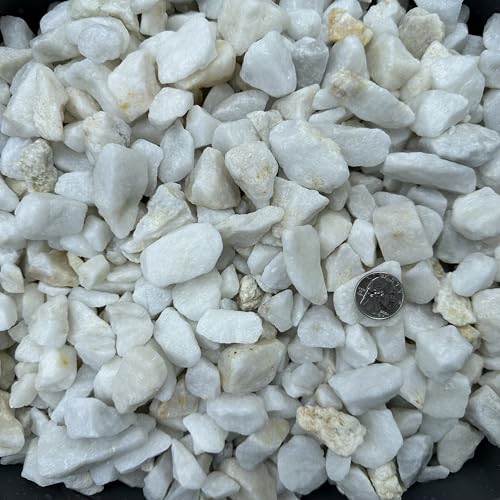
Best for: Small-to-medium landscape accents, terrariums, and water features. Dolomite rocks in the 0.5″–1.5″ range provide a versatile mix for edging, borders, and decorative mulch beds. Why selected: Dolomite’s lighter tone helps brighten shaded areas and provides a gentle contrast with foliage. Caveat: Dolomite can be more prone to scratching than harder limestone varieties; handle with care in high-traffic zones.
Tandefio 24 Pack Oolitic Limestone

Best for: Classrooms, demonstrations, or decorative displays that benefit from varied shapes and natural patterns. Tandefio’s 24-piece set is ideal for teaching geology concepts or creating themed garden accents. Why selected: Each piece is oolitic limestone, showing distinctive nodules that illustrate depositional processes. Caveat: Not primarily designed for heavy outdoor landscaping; ensure placement considers potential weathering.
Buying Guide: Limestone Rocks For Landscaping
- : Limestone varieties vary in hardness, color, and texture. Natural whites and grays blend well with most landscapes, while polished white stones create a modern look. Dolomite and oolitic limestone offer different visual textures and learning applications.
- Size and shape: For pathways and borders, choose consistent sizes to minimize gaps. For decorative beds, mix sizes to add depth. Consider whether smaller pieces are easier to move in windy areas.
- Color and finish: Light tones brighten shaded areas; darker tones hide dirt better. Polished surfaces reflect light and appear more formal; rougher surfaces read as rustic and natural.
- Packaging and quantity: Bulk bags and larger buckets reduce per-unit cost but require more storage. Reusable containers, like the 5-gallon Cureton bucket, offer eco-friendly handling.
- Durability and maintenance: Limestone is durable but can scratch or weather with exposure. In high-traffic or acidic soils, select harder limestone varieties and plan for occasional replenishment.
- Safety and aesthetics: Color consistency helps maintain a cohesive look. Edging pieces should be stable to prevent tripping hazards. For water features, ensure stones are non-toxic and stable when wet.
Frequently Asked Questions
- Is limestone safe for landscape use around plants? Yes. Limestone is a natural stone commonly used in landscaping and generally safe for plants. Ensure proper drainage to prevent waterlogging.
- What size is best for garden paths? For paths, aim for pieces around 1″–2″ or larger to minimize gaps and improve stability; install with proper compaction and edge support.
- Will limestone color fade over time? Natural limestone may gradually weather and lighten or darken slightly, depending on weather exposure and soil conditions.
- Can limestone be cleaned easily? Yes. A soft brush and water are usually sufficient; avoid harsh acids on polished finishes to prevent etching.
- Which limestone is best for planters? Lighter, smoother stones like white or grey dolomite or polished limestone look clean in planter beds and containers.
- Do these stones require sealing? Sealing is optional and depends on the look you want; sealing can slow staining in damp environments but may alter texture and color.