Answering the needs of beekeepers seeking effective Varroa mite control, this guide highlights five proven products for treating honey bee colonies. Each option is described with who it’s best for, how it works, and practical considerations. Use this to decide between oxalic acid strips, thymol-based gels, amitraz-based strips, formic treatments, and innovative RNAi preventives. Ideal buyers include hobbyists with small to medium apiaries, organic keepers, seasonal managers, and beekeepers seeking long-acting solutions. The table below helps compare core details at a glance.
| Product | Best For | Key Benefit | Delivery Method |
|---|---|---|---|
| Varroxsan Oxalic Acid Strips (20 Strips) | Small to mid-size colonies, organic beekeeping | Long-term mite control, simple hanging placement | Strips placed between frames |
| Apiguard – 10 x 50g Thymol Gel Trays | Beekeepers prioritizing plant-based, bee-friendly options | Slow-release thymol with brood safety | Gel trays on brood frames |
| Apivar 2.0 (4 Packs) | Seasonal and larger operations needing quick mite drop | Faster varroa drop with a streamlined application | Strip implants in hive |
| Mann Lake Formic Pro Varroa Treatment | Farmers with long storage needs, residue-free concerns | Naturally residue-free, no honey contamination | Extensive treatment with formic action |
| Norroa Varroa Mite Treatment (RNAi) 2-Pack | Forward-thinking operations seeking long-lasting control | RNAi-based, long protection | Ready-to-use pouches |
Varroxsan Oxalic Acid Strips – Easy Mite Management
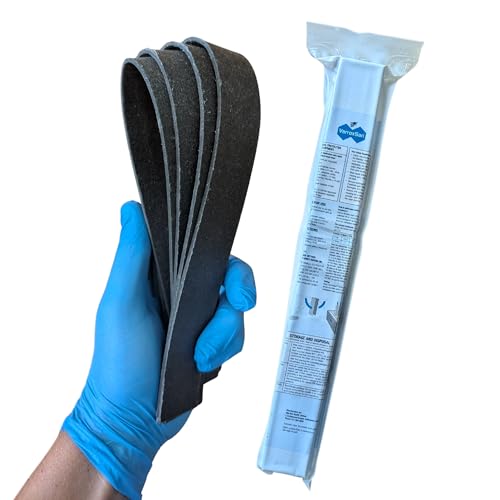
Product features highlight long-term mite control, offering 42–56 days of consistent oxalic acid delivery without mixing or reapplication. The strips are designed to hang between frames, allowing bees to perform the mite control work. It is a bee-friendly option using oxalic acid dihydrate, glycerin, and a cardboard matrix, suitable for use with honey supers and in organic beekeeping. Best for beekeepers who want a straightforward, low-maintenance treatment for multiple colonies.
Best for: Small to mid-size apiaries seeking a simple, longer-lasting oxalic acid treatment. Better for hobbyists or organic setups that prefer a non-synthetic approach.
Caution: Do not rely on a single treatment if your colony dynamics require multiple monitoring checks; plan for reapplication windows if needed by your management schedule.
Apiguard – Natural Varroa Mite Control

Apiguard uses thymol in a slow-release gel designed to control Varroa while maintaining brood safety. The gel format is ready-to-use and aims to provide steady dosing without unduly disturbing bees. Clean handling is facilitated by a simple tray placement with the gel side facing up on top of brood frames. Suitable for beekeepers who prefer a plant-based option with careful handling considerations.
Best for: Beekeepers looking for a natural, plant-based treatment with a controlled release that minimizes colony disruption.
Caution: Thymol-based products can have stronger aroma; ensure proper ventilation and follow directed timing to avoid brood or queen stress in sensitive colonies.
Apivar 2.0 New Formula – Fast Varroa Drop

Apivar 2.0 strips feature a redesigned formula intended to deliver faster mite control with fewer chemicals. The product is designed for convenient hive placement with pre-cut lines that fit Langstroth and Dadant frames, making it adaptable to various hive configurations. It supports consistent contact and simplifies the beekeeping routine, with no tools or toothpicks required for placement.
Best for: Larger or seasonal operations seeking quicker mite drop and easy placement across standard hive configurations.
Caution: Monitor for any colony-specific responses and ensure the mite drop window aligns with your harvest cycle to avoid interference with honey production.
Mann Lake Formic Pro Varroa Mite Treatment

Formic Pro provides a residue-free approach with extended shelf life and natural properties to address Varroa mites. The formula emphasizes no honey residue and is positioned as a responsible choice for beekeepers who prioritize eco-friendly options and compatibility with honey production. The product is pitched as offering flexibility due to its extended shelf life and safe use in a range of climates.
Best for: Beekeepers seeking a residue-free option with storage flexibility and minimal honey contamination risk.
Caution: Formic-based treatments can have variable efficacy with ambient temperature and hive conditions; plan timing around weather patterns and nectar flow to optimize results.
Norroa Varroa Mite Treatment (RNAi) – Long-Lasting Control
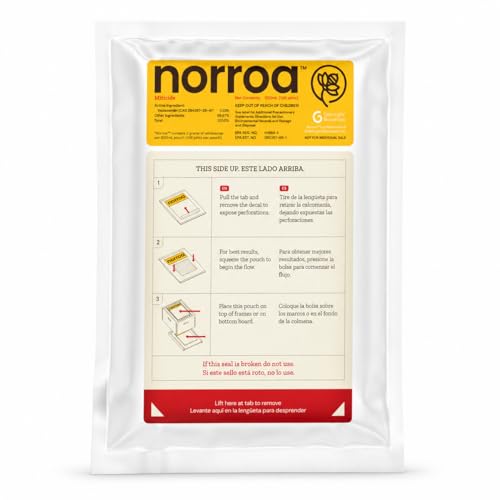
Norroa offers an RNAi-based Varroa treatment designed to disrupt mite reproduction, delivering up to 18 weeks of continuous control with a single application. This colony-safe formula aims to maintain mite levels below three per 100 bees in trials and emphasizes a ready-to-use packaging for straightforward deployment.
Best for: Progressive beekeepers evaluating cutting-edge control methods and long-lasting protection with a focus on colony safety.
Caution: RNAi-based products may require specific timing relative to brood cycles and nectar flow; follow product-specific directions for best results.
Buying Guide: Key Considerations For Varroa Mite Treatments
- Apiary size and management style: Choose products that align with your hive count and handling routines. Oxalic acid strips and thymol gels often suit smaller operations, while formic and Varroa strips scale well for larger apiaries.
- Residue and honey flow: If avoiding honey contamination is critical, favor residue-free products like Formic Pro or carefully chosen Oxalic acid options.
- Mode of action diversity: For resistance management, consider rotating products with different action mechanisms (e.g., oxalic acid, thymol, amitraz-based, RNAi).
- Climate and seasonality: Some treatments are more effective in specific temperature ranges or during certain brood cycles. Plan timing around local weather and nectar availability.
- Safety and handling: Plant-based gels and ready-to-use tapes are generally easier to handle, but always follow label directions for protective equipment and storage.
- Honey production impact: Some methods may affect brood or honey production during treatment; verify brood safety and any withdrawal recommendations.
Frequently Asked Questions
- What is Varroa mite, and why is control important? Varroa mites weaken colonies and transmit viruses; controlling mites helps sustain colony health and honey production.
- Can I use multiple treatments at once? It is generally not recommended to mix treatments without guidance. Consult product labels and a seasoned beekeeper for a rotation plan.
- Are there bee-friendly options? Yes, thymol-based Apiguard and oxalic acid-based products are commonly used in organic beekeeping with proper timing.
- How should I choose between oxalic acid and formic acid products? Oxalic acid strips are simple and long-lasting but may require brood-free conditions for best results; formic acid works in brood and is residue-free, but weather-dependent.
- What monitoring steps should accompany treatment? Regular mite counts before and after treatment help gauge effectiveness and inform whether retreatment is necessary.
- Is RNAi-based treatment ready for all operations? RNAi options can offer long protection, but verify compatibility with your hive management and local regulations.