Answering your search for slope-friendly mulch netting, this guide highlights five effective options that stabilize soil, protect against erosion, and support plant growth on slopes. Ideal for homeowners, landscapers, and DIY enthusiasts, these solutions range from natural jute blankets to rugged HDPE geogrids. Each pick is best for specific slope conditions, budget, and installation needs. Use the quick comparison below to identify which product fits your project, then read detailed sections to understand why it’s a strong choice for slope stabilization and mulch retention.
Product Snapshot
- AK TRADING CO. Jute Erosion Control Blanket — Eco-friendly, biodegradable cover for deep soil protection on moderate slopes.
- VEVOR Ground Grid — Heavy-duty HDPE geogrid for high-load stabilization on steeper slopes and pathways.
- FEED GARDEN Deer Fence Netting — Protective mesh for plants and mulch from wildlife, with installation kit.
- Sumloty Gravel Grid — Modular HDPE grid system to stabilize gravel and soil on slopes and driveways.
- Sunnyglade Ground Grid — Deep 2″ grid depth for improved traction and slope stabilization.
Jute Erosion Control Blanket — 240 Sq Ft Coverage
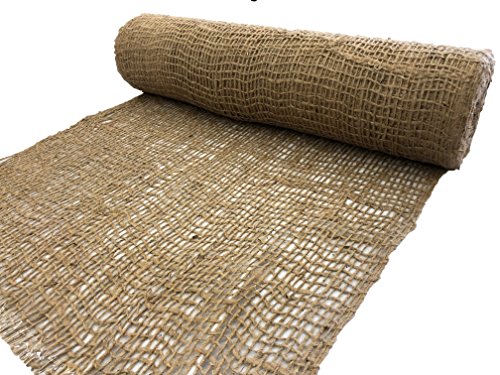
Best for: Garden beds and slopes where natural, biodegradable protection is preferred. This jute fabric creates a breathable layer that reduces erosion while blending with soil over time.
Why it’s selected: Made from premium jute, this blanket provides substantial coverage (48″ wide, 20 yards long) and creates a sturdy barrier against wind and water. It enriches soil as it biodegrades and avoids synthetic residues, supporting ongoing plant establishment on slopes.
Limitations: Jute tolerates moisture but may require replacement after extended exposure to extreme weather. It’s best used where temporary erosion control is acceptable and plant roots can quickly establish through the fabric.
VEVOR Ground Grid 27 ft x 4 ft
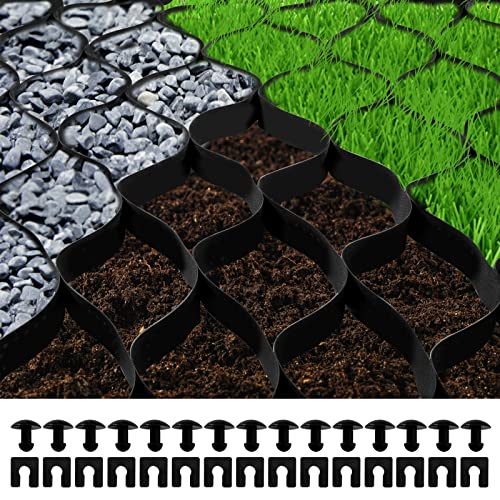
Best for: Steeper slopes or areas where vehicle or foot traffic requires a solid, load-bearing base. Suitable for patios, walkways, and driveways with slope control needs.
Why it’s selected: This 2″ deep HDPE ground grid provides high load support (up to 1885 lbs per square inch when filled) and features cuttable HDPE with a three-dimensional honeycomb that distributes weight and improves soil stability. It’s designed to resist UV aging and climate extremes, helping prevent erosion and allowing drainage.
Caution: Requires proper infilling and anchoring to achieve the claimed load-bearing performance. Not a stand-alone mulch barrier; it works best with an infill such as gravel or soil and needs careful installation on loose slopes.
Sumloty Gravel Grid 4×33 Ft — 2″ Depth

Best for: Gravel driveways, slopes, and park areas requiring robust stone retention and erosion control. Especially useful when combined with mulch to stabilize soils and pathways on mild to moderate slopes.
Why it’s selected: A modular system with three 4×11 ft sections totaling 132 sq ft, supported by a honeycomb HDPE design. Each cell holds fill securely, reducing migration and puddling while providing strong load-bearing performance. It’s easy to cut and adapt to irregular slope contours.
Limitation: Best used with appropriate infill; if you need concealment, color-matched fill or mulch may be added but could alter appearance and drainage characteristics.
Sunnyglade Ground Grid 40×4 Ft

Best for: Slopes and flat areas where a lightweight, durable grid helps prevent erosion while supporting light vehicle or foot traffic on paths.
Why it’s selected: A 2″ depth HDPE geocell grid with a 160 sq ft coverage provides solid stabilization for slopes and walkways. It’s foldable and recyclable, offering flexibility for cutting and assembly, and is designed to resist deformation and aging while allowing water drainage.
Limitations: Best when filled with gravel or soil; not a mulch-only solution. The visual of the infill will impact aesthetics, so choose fill material that complements your landscape.
Buying Guide
What to consider when choosing slope erosion control and mulch-friendly netting:
- Site conditions: Steepness, soil type, drainage, and sun exposure influence material choice. Natural fibers are great for immediate erosion control and soil health; geocells and grids excel where load-bearing support is needed.
- Material type: Biodegradable options (like jute and burlap) offer eco-friendly soil integration but may require replacement over time. HDPE geogrids provide long-lasting stabilization and robust performance, especially under traffic.
- Infill and cover: Some products require gravel or soil fills to achieve strength. Mulch-compatible fills can help retain moisture but may affect drainage and appearance.
- Coverage and installation: Calculate area coverage and plan for overlaps, anchoring, and cuts to fit irregular slopes. Kits with stakes, ties, and fasteners simplify installation on slopes.
- Environmental impact: Biodegradable options decompose naturally, enriching soil, while synthetic materials persist longer. Consider long-term landscape goals and maintenance needs.
FAQ
- What mulch netting is best for slope stabilization?
- Can these products be used together on the same slope?
- How do I choose between biodegradable and synthetic options?
- Do these products support plant growth?
- What maintenance is required after installation?
- Are installation kits included?
High-load HDPE geogrids and gravel grids provide durable stabilization on slopes with heavy foot or vehicle traffic, while biodegradable jute blankets offer quick, natural erosion control for new plantings.
Yes. For instance, a jute blanket can be paired with a geogrid for initial erosion control, followed by a longer-term stabilization system as the slope stabilizes.
Biodegradable options are ideal for temporary stabilization and soil-building phases. Synthetic geogrids offer longer-term stabilization in high-load areas or slopes with ongoing erosion risk.
Most options allow air, water, and nutrients to reach the soil. Some biodegradable blankets decompose while supporting seed germination and root development.
Inspect for wear, displacement, and drainage issues after heavy rain. Replace or reinforce sections showing damage or material degradation.
Many products include stakes or zip ties for quick setup. Verify included hardware in the product listing before purchase.