If you’re starting seeds indoors and want to avoid transplant shock, peat pots that you can plant directly into the soil are a smart choice. This guide highlights five top options optimized for different seed-starting needs, from compact 3.15-inch pots to larger 4-inch varieties, all designed to improve root health and simplify garden prep. Best for home gardeners, small-scale veggie growers, and hobbyists seeking an eco-friendly, low-waste solution.
| Product | Best For | Key Benefit |
|---|---|---|
| CLEANGOR 70Pcs Biodegradable 3.15” Peat Pots | Herbs, vegetables, starter starts | Includes 70 labels for organization |
| DJGINRO 150 Pcs 3.15” Peat Pots | Large seed-start projects | Comes with plant labels and transplant tools |
| Doubleggs 70-Pack 3.15” Square Peat Pots | Compact starter kits | Includes 100 labels and two transplant tools |
| DSUWAZU 60 Pcs 3.15” Peat Pots | Budget-friendly setups | Includes 20 plant labels |
| Jiffy 3” Organic Biodegradable Pots (22 Pack) | Early seed starts in multiple trays | Popular standard size with drainage holes |
CLEANGOR 70Pcs Biodegradable 3.15” Peat Pots
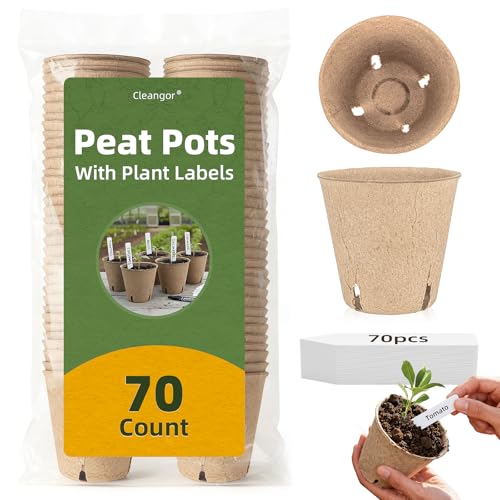
Best for compact starter projects and organized labeling, these 3.15-inch peat pots are designed to plant directly into the soil, reducing root disturbance. The kit includes 70 plant labels to help you identify herbs, vegetables, and flowers as they germinate. The pots are made from 100% recycled pulp and biodegrade, turning into nutrient-rich compost. Built-in drainage holes and breathable walls support drainage and moisture retention, helping prevent root rot while keeping seedlings healthy. Choose this if you want a simple, all-in-one starter kit that minimizes transplant shock and keeps labeling tidy.
Caution: While durable when wet, extremely aggressive handling can deform thin walls; handle pots gently during transplanting.
DJGINRO 150 Pcs 3.15 Inch Peat Pots Kit

Best for larger seed-start projects or mixed plantings, this kit provides 150 biodegradable peat pots, 30 plant labels, and 2 transplant tools. The pots are made from natural recycled pulp and are designed to “breathe” for healthier root systems. Drainage holes promote proper watering and root development. This option is better for ambitious starter beds or classroom setups where many seedlings must be started at once. If you need a larger supply, this kit helps reduce frequent restocking.
Limitation: The bundled tools are basic; for frequent use, you may want sturdier transplant tools separately.
Doubleggs 70-Pack Square Peat Pots

Best for value-focused gardeners who want a ready-to-use starter kit, this set includes 70 plant germination pots, 100 labels, and two transplant tools. Pots are molded from recycled pulp with a clay-like breathability to support robust root growth. The design allows easy transplantation by planting the entire pot into soil, where it biodegrades into organic nutrients. Use this if you value a high-label-to-pot ratio and want a straightforward, all-in-one solution.
Caution: Square pots may require careful spacing to maximize root comfort in tight trays.
Burpee SuperSeed Seed Starting Tray

Best for indoor growers who want an integrated seed-starting tray with a clear germination workflow, this 36-cell tray uses soft silicone cells that pop out for easy transplanting. It features drainage-optimized corners and a spill-contained watering tray. The system reduces root disturbance during transplanting and supports simple reuse after cleaning. Choose this for a tidy, reusable seed-start setup. It’s especially compatible with early starter regimes and where easy transplanting matters most.
DSUWAZU Peat Pots, 60 Pcs

Best for eco-conscious shoppers seeking a predictable starter kit, these 60 peat pots are 3.15 inches with four drainage holes each. They’re made from 100% recycled pulp and natural fibers, fully biodegradable. This set includes 20 labels to help track seed varieties. If you’re balancing cost with sustainability, DSUWAZU provides a straightforward, environmentally friendly option that directly supports soil enrichment after planting.
Jiffy Plant Pot – Organic Peat, 3” (22 Pack)

Best for standard seed-start setups, these 3-inch peat pots offer reliable transplanting with minimal root disturbance. The 22-pack provides a balanced option for small to medium starter projects. The 3-inch size is versatile for vegetables, herbs, or flowers. Use this if you prefer a commonly used size that integrates well with many starter trays and soil types.
Doubleggs 120 Cells Seed Starter Tray

Best for larger indoor gardens or broader seed programs, this kit pairs a 120-cell starter tray with biodegradable pots and labeling options (100 labels). The small cell size promotes efficient germination for a wide range of seeds, from herbs to microgreens. If you run a small greenhouse or multiple seed batches, this kit minimizes swapping between containers and keeps seedlings protected during early growth.
Buying Guide
What size should I choose? Pick pot diameters between 3.0 and 4.0 inches for most vegetables and herbs. Smaller options are ideal for microgreens or delicate herbs, while 4-inch pots support bigger seedlings with more root space as they grow. Consider whether you want square or round pots; square shapes maximize tray density, but round pots may fit better in traditional trays.
Are biodegradable pots better than plastic? Biodegradable pots reduce transplant shock by allowing you to plant the whole pot directly into soil. They’re generally better for sustainability and can enrich soil as they decompose, but may be less durable during handling than plastic starter trays.
What about drainage and air circulation? Look for pots with multiple drainage holes and breathable walls. Proper drainage prevents root rot, and airflow around the root zone supports healthy development. If your tray lacks drainage, ensure you water carefully to avoid oversaturation.
What comes with the kit? Some sets include plant labels, transplant tools, or seed-starting trays. If you’re new to seed starting, a kit with labels and tools can simplify organization and transplantation.
How should I transplant? Transplant when seedlings have at least two true leaves and robust root systems. Gently lift the seedling with its pot, and place it into the garden soil or a larger container, ensuring the soil level remains consistent with the pot’s base.
FAQ
- Are peat pots sustainable? Yes, when made from recycled pulp and designed to biodegrade, peat pots can reduce transplant shock and waste.
- Do these pots work for all seed types? They suit most vegetables, herbs, and flowers, but very large transplants may require larger pots.
- Can I reuse pots? Most biodegradable pots are intended for single-season use; you plant the entire pot into soil for minimal disruption.
- Do they require special soil? Standard seed-starting mix works well; ensure adequate drainage and moisture management.
- How do I choose between sets? Consider the total number of seedlings, tray compatibility, and whether you want labels or transplant tools included.