Answering the question, these products provide protective, contact or preventive insect control for edible gardens with attention to safety and non-synthetic options. The top picks are best for gardeners who want to protect vegetables without harsh residues. They range from botanical neem-based solutions to concentrated formulations suitable for edibles, and they emphasize keeping fruits, vegetables, and herbs safe to harvest. This guide highlights five options, who they’re best for, and practical usage tips to help you choose the right product for your garden.
| Product | Best For | Why It Stands Out |
|---|---|---|
| BioAdvanced Organics Tomato, Vegetable & Fruit Plant Bug Spray | Organic gardeners seeking fast-acting, contact-insect control on edible crops | Kills listed pests rapidly on edibles; noted for curative control including mildew |
| Garden Safe Fungicide3 | Integrated plant protection with neem oil for organic routines | Three-in-one: fungicide, insecticide, and miticide with neem oil |
| Garden Safe Multi-Purpose Garden Insect Killer2 | Home gardeners needing broad, on-contact insect control up to harvest | Kills 100+ listed insects; safe for edible crops up to harvest day |
| ARBER Organic Insecticide & Fungicide (16oz) | Indoor/ outdoor organic spray for mixed pest issues | Plant-safe concentrate coats leaves and soil, disrupts life cycles |
| Bonide Captain Jack’s Neem Max | Neem-based, 4-in-1 protection for organic gardening | Cold-pressed neem oil with broad pest and disease coverage |
BioAdvanced Organics Brand Tomato, Vegetable & Fruit Plant Bug Spray
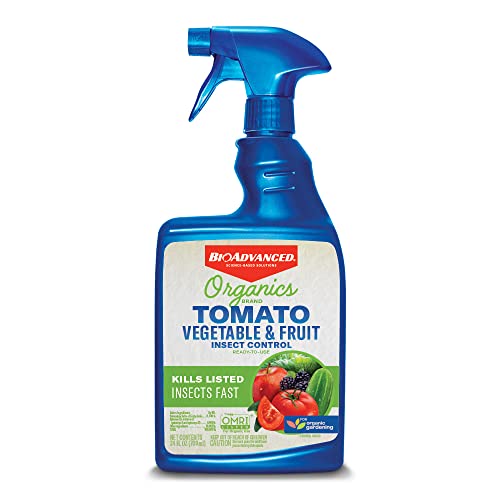
This ready-to-use spray targets common pests that threaten edibles, including Aphids, Caterpillars, Mealybugs, and Spider Mites. It provides curative control against powdery mildew and is designed for use on vegetables, fruits, nuts, and herbs. Best for: gardeners who want quick-onset, visible pest suppression on edible crops without complex mixing.
Why selected: It offers fast contact kill on listed pests and provides some disease-curing benefits, making it convenient for daily garden maintenance. Limitation: It is a ready-to-use product, so large-volume coverage may require multiple applications in bigger plots.
Garden Safe Fungicide3 With Neem Oil Extract

Three-in-one product for organic gardening: Fungicide, Insecticide, and Miticide. It targets pests at various life stages, including eggs and larvae, and helps protect tissue against fungal attacks. Best for: gardeners seeking a single product to address both pest pressure and common fungal diseases in edible beds. Limitation: Neem oil-based products may work more slowly than synthetic options, requiring multiple applications for heavy infestations.
Garden Safe Brand Multi-Purpose Garden Insect Killer2

This product is designed for organic gardening and is suited for homes, home gardens, and greenhouses. It claims to kill over 100 listed insects on contact and is approved for use up to the day of harvest. Best for: homeowners seeking broad-spectrum control that’s easy to apply in domestic settings. Limitation: On-contact products may require frequent reapplication in hot, windy conditions.
Organic Insecticide & Fungicide for Plants — ARBER

ARBER presents an advanced, plant-based concentrate for both foliage and soil zones, designed to disrupt pest life cycles and suppress powdery growths. It’s formulated for seedlings, beds, containers, raised beds, and greenhouse starts. Best for: gardeners who want a versatile organic option that treats both pests and fungal issues in a single spray. Limitation: Concentrates require mixing and precise dilution for best results, which may add steps to routine care.
Bonide Captain Jack’s Neem Max

Neem Max combines cold-pressed neem oil with additional active ingredients to act as an insecticide, fungicide, miticide, and nematicide. Approved for organic gardening and effective against a broad range of pests including aphids, mites, beetles, and caterpillars. Best for: gardeners who prefer a natural, multi-purpose product that can protect both edible crops and ornamentals. Limitation: Neem-based products may have slower knockdown on strong infestations and may need reapplication after rain.
Bonide Captain Jack’s Bt Thuricide
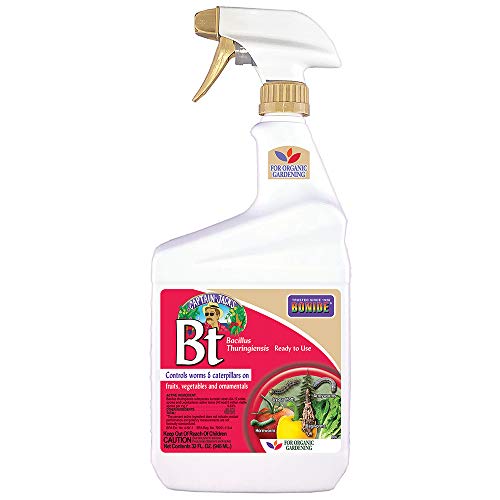
Bt Thuricide focuses on caterpillar pests, including cabbage looper and hornworms. It targets worms via ingestion and is designed for vegetables like broccoli, tomatoes, and peppers, along with other fruits and ornamentals. Best for: organic gardeners who need targeted caterpillar control without broad-spectrum impact. Limitation: It is specific to caterpillars, so other pests may require additional products.
BioAdvanced Vegetable and Garden Insect Spray

This concentrated insect spray is designed to kill insects by contact, targeting aphids, caterpillars, thrips, tomato hornworms, whiteflies, and 70+ other pests. Best for: gardeners who prefer a concentrated formula that can be mixed to fit larger garden spaces. Limitation: Concentrates require accurate mixing and can be more involved to apply than ready-to-use formats.
BioAdvanced Fruit, Citrus & Vegetable Insect Control Concentrate

Specially formulated for edible gardening, this concentrate treats over 100 listed fruits, vegetables, and citrus plants. It provides season-long protection with one application and can prevent new infestations for up to two months. Best for: gardeners seeking long-lasting protection against a broad spectrum of pests. Limitation: Some users may prefer products with shorter pre-harvest intervals or different application windows depending on crops.
Buying Guide: Key Considerations For Safe Insect Control In Edible Gardens
- Active ingredients: Compare botanical versus synthetic options. Neem-based and plant-safe concentrates are common for organic practices, while some concentrates offer broad-spectrum control.
- Target pests: Identify which pests threaten your crops (aphids, caterpillars, mites, etc.) and choose products proven effective against those pests.
- Harvest timing: Check “up to harvest day” or pre-harvest intervals to align with your picking schedule.
- Form factor: Ready-to-use sprays are convenient for small plots; concentrates suit larger gardens but require mixing accuracy.
- Safety and compatibility: Look for products labeled for edible crops and compatible with organic gardening when that’s important to you.
- Application frequency: Consider products with longer protection versus those needing frequent applications after rain or heat.
Frequently Asked Questions
- What is the safest insecticide for vegetables?
– Look for products labeled for edible crops with botanical or organic ingredients, such as neem oil-based formulations or plant-safe concentrates. Always follow label directions for harvest intervals. - Can I mix multiple insecticides in my vegetable garden?
– Mixing is generally not recommended unless specified by the product label. Use products as directed and avoid cross-application that could harm beneficial insects. - Do these products kill beneficial insects?
– Some broad-spectrum products may affect beneficials. Choose targeted formulations when possible and apply during off-peak times when pollinators are less active. - How often should I apply these products?
– Application frequency depends on the product and weather. Rainfast intervals and pre-harvest timing on the label guide reapplications. - Are organic insecticides effective against powdery mildew?
– Some organic blends offer disease suppression alongside pest control, but powdery mildew often requires specific fungicidal action in addition to pest control. - Can I spray near fruit trees and vegetables simultaneously?
– Yes, if the product label covers both crop types. Ensure proper coverage and avoid overspray onto non-target plants or water sources.