If you’re aiming to grow healthier plants, a reliable soil test kit is essential. These kits measure soil pH and key nutrients, guiding fertilizer choices and irrigation plans. The right buyer is a DIY gardener or small-landscape manager seeking accurate, lab-like insights without sending samples away. Below, five top soil test kits are reviewed for clarity, ease of use, and practical guidance. A quick summary table helps you compare key points at a glance.
| Product | Best For | What It Measures | Typical Use |
|---|---|---|---|
| Rapitest Soil Test Kit | Beginner to intermediate gardeners | pH, Nitrogen, Phosphorus, Potash | Home garden color comparisons |
| Soil Test Kit 140 Tests (Dewilde) | Lawn and extensive garden areas | pH, ammonia, nitrogen, phosphorus, potassium | Comprehensive fertility planning |
| MySoil Soil Test Kit | Serious lawn and garden planners | Nutrient and pH with tailored recommendations | Professional-style guidance |
| AKSBTEC 2026 4-in-1 | Frequent testers across multiple plots | pH, N, P, K | 40 tests for repeated use |
| NewTest Soil Test Kit 4 Parameters | Beginners and experienced growers | pH, Nitrogen, Phosphorus, Potassium | Step-by-step instructions |
Rapitest Soil Test Kit For Gardens, Vegetables, Flowers And Lawns
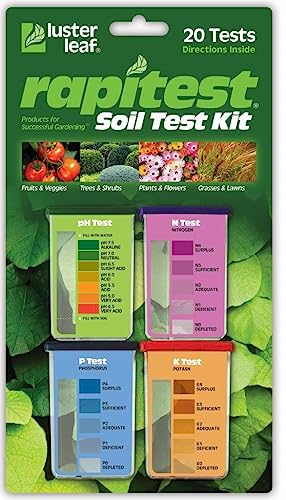
The Rapitest kit from Luster Leaf is designed for at‑home results that are quick and easy to read. It uses an innovative capsule system with patented color comparators to measure soil pH and major nutrients (N, P, K). It includes components for 20 tests—five tests per parameter—enabling multiple sampling spots in a garden or lawn. Best for hobbyists who want a straightforward quick-check and for small plots with even soil distribution. The main limitation is that color interpretation can vary with lighting and user perception, which might affect finer decisions for borders with mixed soils.
Soil Test Kit 140 Tests (2026 Updated)

This kit offers a comprehensive soil analysis package, including pH, ammonia, nitrogen, phosphorus, potassium, and more. It provides a broad view of fertility and supports data-driven fertilizer recommendations. It’s well suited for lawns, large gardens, and plots where precise nutrient management matters. A potential caveat is the need to interpret multiple parameters together; users should follow included instructions to avoid over-fertilization or misreading results for specific plant groups.
MySoil Soil Test Kit

MySoil emphasizes accuracy and actionable recommendations. It measures a broad set of plant-available nutrients and pH, then translates results into tailored guidance for your specific soil and plant needs. This makes it a strong option for gardeners who want to optimize lawn health, vegetables, and ornamentals with a plan that aligns to local soil conditions. The main consideration is that results are delivered with recommended actions rather than instant, on-the-spot adjustments, requiring follow-through to see gains.
AKSBTEC 2026 NEW Soil Test Kit 4-in-1

AKSBTEC’s 4‑in‑1 kit covers pH, nitrogen, phosphorus, and potassium with 40 tests included, designed for long-term use across multiple garden areas. It’s a good fit for homeowners who test seasonally or track fertility across several beds or lawns. The kit’s strength lies in its quantity and repeatability, but users should verify the color interpretation against the chart for accurate results, as with many color‑based kits.
NewTest Soil Test Kit 4 Parameters

NewTest presents a professional-grade approach with 40 tests across four parameters: pH, nitrogen, phosphorus, and potassium. It emphasizes detailed instructions to help beginners achieve accurate results, while offering enough data depth for experienced gardeners to refine their fertilization. A practical note is that this kit focuses on lab-like accuracy in a home setting, which may require careful handling and adherence to the steps to avoid misreads.
Dewilde Trading Co. Soil Test Kit – 100 pH Strips

This option uses 100 pH test strips that measure soil acidity from pH 3.5 to 9. It’s a cost-effective choice for quick pH checks across larger areas, such as lawns or multiple planting beds. It’s best for gardeners who prioritize rapid pH readings and want a straightforward, strip-based method. The limitation is that strips measure only pH, not other nutrients, so it’s not a full fertility kit.
Buying Guide: Key Considerations For Choosing A Soil Test Kit
- Scope of testing: Do you need pH only, or a full nutrient profile (N, P, K, and possibly ammonia or micronutrients)?
- Number of tests: How many samples will you test over time? Kits with more tests offer better coverage for large lawns or multiple beds.
- Result format: Do you prefer color charts, numeric readouts, or tailored recommendations?
- Ease of use: Are you comfortable with color interpretation, or do you want digital readouts?
- Time to results: Some kits provide same-day insights; others require lab-like processing for several days.
- Long-term use: For ongoing soil health, choose a kit that supports repeat testing across different plots.
- Reliability: Look for kit documentation that explains methods and limitations; avoid kits that rely solely on proprietary or opaque processes.
FAQ
- What is the most important soil metric for a home garden?
Soil pH sets the power balance for nutrient availability; matching it with plant needs is foundational.
- Can a home soil kit replace lab testing?
Home kits provide practical guidance and trend data but may not match lab precision for detailed plantation decisions.
- How often should I test my soil?
Test at least once per growing season, and more often for new beds or changing fertilizer plans.
- Are color-based kits reliable?
They are usable with careful lighting and practice, but digital or written readouts reduce interpretation error.
- Which kit is best for multi-bed lawns?
A kit with many tests (and clear instructions) that supports repeated use across areas is ideal.
- Do these kits measure micronutrients?
Most consumer kits focus on pH and the major nutrients (N, P, K); some kits may not include trace elements.