Zone 8b gardeners seek trees that tolerate mild winters, hot summers, and provide visual impact throughout the seasons. The following selections are chosen for Zone 8b suitability, balanced growth needs, and reliable performance in temperate landscapes. They’re ideal for homeowners, urban planters, and landscape designers aiming for lasting color, shade, and structure. This guide also highlights who each tree is best for and why.
Summary of chosen products (quick reference):
| Product | Best For | Key Benefit | Limitations |
|---|---|---|---|
| Night Blooming Jasmine Live Plant | Fragrance lovers and trellised vines | Year-round fragrance, fast establishment | Vine, may need support |
| Small yards and autumn-sun gardens | Early spring blooms, heart-shaped leaves | Dormant season baring roots | |
| Pygmy Date Palm Tree | Patios and courtyards | Tropical look with drought tolerance | Does not ship to California |
| Zelkova Serrata Tree | Small spaces and bonsai fans | Elegant bark, versatile shape | Moderate growth rate |
| Northern Sugar Maple Seed | Seasonal color displays | Classic fall color, hardy | Seed-based growth requires care |
Night Blooming Jasmine Live Plant

Brand: Wellspring Gardens. This starter plant thrives in USDA Zones 8b–11, growing as a fragrant vine that perfumes evening air. It reaches 8–10 ft in suitable climates and rewards patience with a lush, flowering display as it matures. Best for vertical trellises, fences, or arbors in sunny to partly sunny spots.
Key features: Mature fragrance, drought-tolerant once established, adaptable to full sun to partial sun. The plant ships as a young specimen, making it ideal for gardeners who want to train and support growth early.
Who it’s best for: Homeowners who value scent and vertical interest, container gardeners seeking a tropical look, and anyone who enjoys a night-blooming spectacle. Why selected: It provides strong month-to-month presence in Zone 8b with low ongoing maintenance after establishment.
Caution: It is a vining plant; ensure adequate support and avoid overly shaded locations which can limit flowering.
Eastern Redbud Tree Live Plant
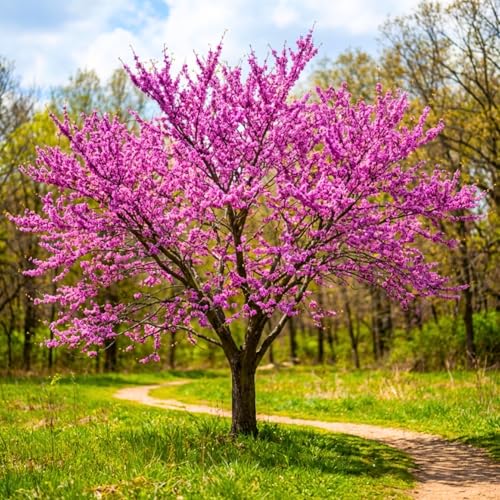
Brand: UIOTER. This redbud is a compact, early-blooming tree suited for landscapes and yards in zones 4–9. It offers vibrant spring flowers and heart-shaped green foliage, providing seasonal color and shade for smaller spaces.
Best for: Gardens needing early-season bloom and a modest footprint. Why selected: Its flowering drama and adaptability make it a dependable choice for Zone 8b landscapes seeking ornamental value without high maintenance.
Limitation: Sold as bare roots or quart-pot plants; expect root acclimation and careful planting to establish quickly.
Pygmy Date Palm Tree

Brand: Eureka Farms. This palm is drought-tolerant and compact, offering a tropical aesthetic for landscapes, patios, and containers in Zones 8b and warmer. It’s noted as cold-hardy for many Zone 8 climates and pairs well with other drought-conscious plantings.
Best for: Drought-prone areas where a refined palm silhouette is desired. Why selected: It adds texture and a year-round focal point with minimal upkeep, ideal for container gardens or edge plantings.
Caution: This plant does not ship to California, so verify delivery availability in your area before ordering.
Zelkova Serrata Tree
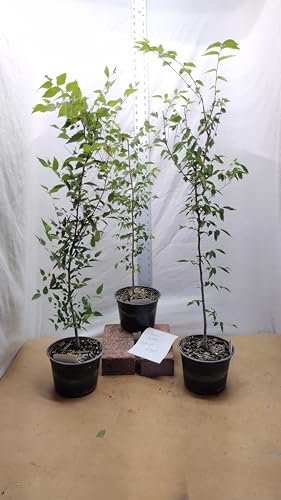
Brand: Generic. The Japanese Zelkova offers graceful branching, smooth bark, and a versatile habit suitable for bonsai or larger landscape specimens. It tolerates Zone 8b conditions and can serve as a lawn tree or focal point in mixed borders.
Best for: Gardeners seeking a tree with refined structure and adaptable sizing. Why selected: It provides strong architectural form and resilient growth in Zone 8b climates.
Limitation: Growth rate varies; regular pruning helps maintain desired shape and size.
Northern Sugar Maple Seed

Brand: Plants’
Type: Premium Seeds for Acer Saccharum ‘Fall’. This option focuses on seed propagation with a promise of classic maple color in autumn and hardy growth traits suitable for Zone 8b.
Best for: Gardeners who prefer starting from seed, want strong fall color, or plan to grow larger specimens over time. Why selected: It adds seasonal color and aligns with Zone 8b’s mild winters and warm summers.
Caution: Seed-grown trees require patience for establishment and careful care to ensure successful germination and growth.
Buying Guide: Zone 8b Tree Purchase Considerations
- Climate compatibility: Zone 8b landscapes experience mild winters and hot summers. Look for species with proven performance in this zone, especially drought tolerance and heat resilience.
- Maintenance level: Consider how much pruning, watering, and care you can provide. Drought-tolerant selections reduce irrigation needs after establishment.
- Growth habit and size: Choose trees that fit your space—whether a compact understory, a vertical vine, or a broader canopy—so you avoid overcrowding or excessive pruning.
- Soil and sun requirements: Verify sun exposure and soil type. Some trees prefer full sun for best flowering, while others thrive in partial shade.
- Aesthetic goals: If you want fragrance, color in spring, or year-round texture, select accordingly. A mix of flowers, foliage, and form creates ongoing interest.
- Delivery and availability: Confirm shipping restrictions (e.g., California bans on certain plants) and delivery timing to ensure your project timeline aligns with plant availability.
Frequently Asked Questions
- What is the best tree for Zone 8b color accents?
– Redbud and Zelkova offer striking early-spring blooms and elegant bark or form, providing strong color and structure in Zone 8b. - Are palm trees suitable for Zone 8b landscapes?
– Some palms, like Pygmy Date Palm, perform well in Zone 8b but verify regional frost limits and shipping restrictions before purchase. - Can I plant a jasmine vine in Zone 8b?
– Yes, Night Blooming Jasmine can thrive in Zone 8b with support structures and ample sun, contributing fragrance and late-season blooms. - Is seed propagation a good option for Maple trees in Zone 8b?
– Seed propagation can yield cost savings but requires time and care to establish vigorous trees; consider starting with container-grown saplings for faster results. - Which tree is best for small spaces in Zone 8b?
– Zelkova Serrata and some redbud varieties offer a compact form suitable for limited spaces, while still providing shade and architectural interest. - Do any of these trees require special care after planting?
– Most benefit from initial watering support, mulching, and gradual acclimation to local conditions; bare-root plants may need additional attention during establishment.